
How Robotics and AI Are Transforming Modern Manufacturing
FEATUREDINDUSTRY 4.0
How Robotics and Artificial Intelligence Are Transforming Modern Manufacturing
" Life is all about next step." - Siddharth Varsani
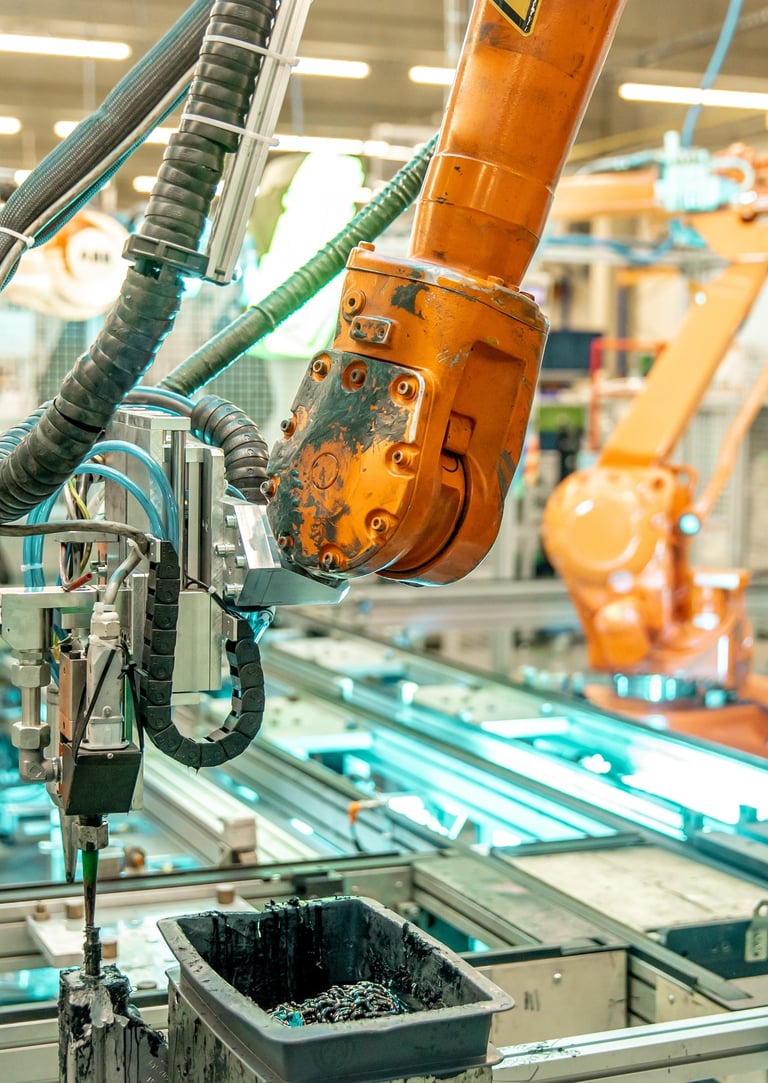
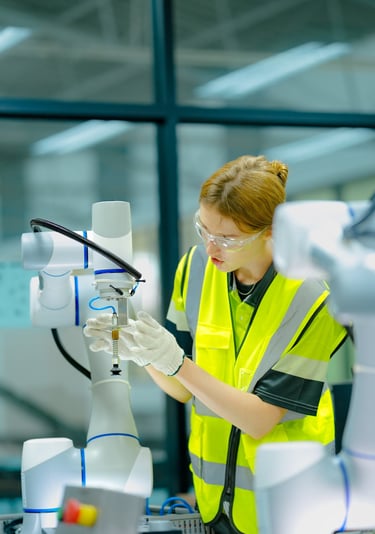
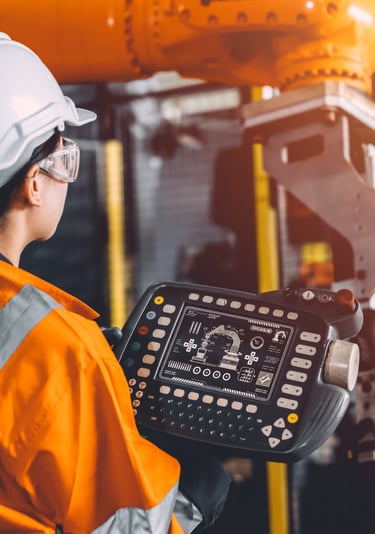
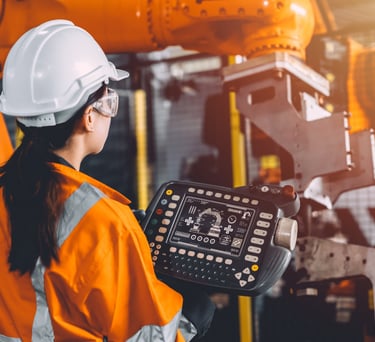
Manufacturing is no longer defined by manual processes and isolated automation systems. Today, industries are entering a new era where robotics and artificial intelligence (AI) work together to create intelligent, adaptive, and highly efficient production environments. This transformation marks a significant shift toward smart manufacturing, a core pillar of Industry 4.0.
Modern manufacturers face increasing pressure to improve productivity, reduce downtime, maintain quality, and respond quickly to market demands. Traditional automation alone cannot meet these challenges. The integration of robotics, AI, and machine learning is enabling factories to evolve into connected, data-driven systems capable of continuous improvement.
The Shift from Traditional Automation to Intelligent Manufacturing
Early automation systems were designed to perform repetitive tasks with precision and speed. While these systems improved efficiency, they operated on fixed rules and lacked the ability to adapt to changing conditions.
Intelligent manufacturing represents a fundamental shift. Instead of static processes, factories now rely on systems that can:
Monitor operations in real time
Analyze large volumes of production data
Identify inefficiencies and anomalies
Optimize performance automatically
This shift transforms manufacturing from a reactive operation into a proactive and predictive ecosystem.
Robotics as the Backbone of Smart Manufacturing
Robotics plays a critical role in modern manufacturing by handling tasks that require consistency, accuracy, and endurance. Industrial robots are widely used in assembly, welding, material handling, inspection, and packaging.
Unlike earlier generations of robots, modern robotic systems are designed to be flexible and collaborative. They can work alongside human operators, adjust to new tasks, and integrate seamlessly with digital platforms.
Benefits of Robotics in Manufacturing
Improved production speed and consistency
Enhanced safety by reducing human exposure to hazardous tasks
Higher precision in complex manufacturing operations
Reduced operational costs over time
When robotics is combined with intelligent software, these machines become dynamic components of a smart factory rather than standalone tools.
Artificial Intelligence as the Decision-Making Engine
Artificial intelligence acts as the central intelligence layer in modern manufacturing systems. While robots execute physical tasks, AI processes data, makes decisions, and guides optimization strategies.
Manufacturing environments generate vast amounts of data from machines, sensors, and production systems. AI algorithms analyze this data to uncover patterns that are not visible through manual analysis.
Key AI Applications in Manufacturing
Predictive maintenance to reduce unexpected equipment failures
Quality inspection using computer vision systems
Production scheduling and demand forecasting
Process optimization based on real-time performance data
AI enables manufacturers to shift from rule-based control to data-driven decision-making, significantly improving efficiency and reliability.
The Role of Machine Learning in Continuous Improvement
Machine learning, a subset of AI, allows systems to learn from historical and real-time data. Unlike traditional software, machine learning models improve over time as they process more information.
In manufacturing, machine learning is used to:
Detect anomalies in production processes
Predict quality defects before they occur
Optimize energy usage and resource allocation
Enhance robotic accuracy and coordination
This ability to learn and adapt enables manufacturing systems to become more intelligent with each production cycle, supporting long-term operational excellence.
Smart Manufacturing and Industry 4.0
Smart manufacturing is the practical implementation of Industry 4.0, which focuses on the integration of digital technologies across the entire manufacturing value chain. Industry 4.0 emphasizes connectivity, automation, and intelligent decision-making.
Core elements of Industry 4.0 include:
Connected machines and industrial IoT systems
Real-time data exchange across production lines
AI-driven analytics and insights
Flexible, scalable manufacturing architectures
By embracing these elements, manufacturers can build factories that respond quickly to changes in demand, supply chain disruptions, and operational challenges.
Challenges in Adopting Robotics and AI
Despite its advantages, adopting robotics and artificial intelligence in manufacturing is not without challenges. Many organizations face obstacles such as:
Integration with legacy infrastructure
Lack of skilled professionals in AI and data analytics
High initial investment costs
Resistance to change within the workforce
Successful implementation requires a strategic approach. Gradual adoption, clear business objectives, and workforce upskilling are essential to ensure long-term success.
The Strategic Importance of Intelligent Manufacturing
Intelligent manufacturing is not just a technological upgrade; it is a strategic investment. Companies that adopt robotics and AI gain a competitive advantage through improved efficiency, higher quality, and greater operational visibility.
Smart manufacturing enables:
Faster decision-making based on real-time insights
Reduced downtime and maintenance costs
Improved product consistency and compliance
Scalable operations that support future growth
As global competition intensifies, intelligent manufacturing becomes a critical factor in long-term industrial sustainability.
The Future of Manufacturing Innovation
The future of manufacturing lies in systems that can sense, analyze, learn, and adapt. Robotics and artificial intelligence will continue to evolve, enabling factories to become more autonomous, resilient, and efficient.
As Industry 4.0 technologies mature, manufacturers that invest in intelligent systems today will be better positioned to navigate future challenges. The integration of robotics, AI, and machine learning will define the next generation of industrial innovation, transforming how products are designed, built, and delivered.
" life is all about next step. "
Related Stories

Contact with Siddharth varsani
Email to
Contact@siddharthvarsani.com
Copyright ©2026. All Rights Reserved by Weneura Futuretech